As an Amazon Associate we earn from qualifying purchases. This doesn’t affect which products we recommend.
Introduction
The recent surge in highly pathogenic avian influenza (HPAI), commonly known as bird flu, has sparked widespread concern among pet owners. With outbreaks leading to recalls of raw pet food and tragic cases of feline illness, understanding how to safeguard pets is more critical than ever. This guide dives deep into the risks of HPAI, explains how to choose safe freeze-dried cat and dog treats, and highlights brands that prioritize science-backed safety protocols.

Understanding Bird Flu: Risks to Pets
Bird flu (HPAI H5N1) is a virus that primarily circulates among wild birds but can spill over to domestic animals and mammals. According to the U.S. Department of Agriculture (USDA), over 85 million birds in the U.S. have been affected since 2022. While human cases remain rare, pets—especially cats—are vulnerable.
How HPAI Affects Pets
- Cats: Highly susceptible due to their biology. A 2023 study in Emerging Infectious Diseases found that 90% of cats exposed to HPAI through raw poultry developed severe symptoms, with a 60% mortality rate.
- Dogs: Less likely to contract HPAI, but cases have been reported in countries like Thailand and South Korea. Symptoms are typically mild, but vigilance is key.
Recent Outbreaks and Recalls
In May 2024, two indoor cats in Multnomah County, Oregon, were euthanized after contracting HPAI from raw pet food. Testing revealed the virus in unopened containers of Wild Coast Raw Boneless Free Range Chicken Formula, prompting recalls in Oregon and Washington. This followed a December 2023 recall by Northwest Naturals after a cat in Oregon died from HPAI linked to raw turkey treats.
Key Takeaways:
- Raw diets, including freeze-dried chicken treats, pose significant risks if not properly processed.
- The FDA emphasizes that cooking poultry to 70°C (158°F) inactivates HPAI, making heat-treated foods safer.
What Pet Owners Should Look for in Treats

Navigating pet food labels can be daunting. Here’s a science-backed checklist to minimize risks:
- Avoid Raw or Uncooked Meat
- The Oregon Department of Agriculture explicitly warns against raw meat, unpasteurized milk, and freeze-dried raw diets. These products may retain pathogens if not heated adequately.
- Prioritize USDA-Compliant Cooking
- Look for terms like “cooked,” “heat-treated,” or “USDA-certified” on labels.
- USDA guidelines require poultry to reach 70°C (158°F) to neutralize HPAI. Brands exceeding this threshold (e.g., heating to 80°C/175°F) offer added safety.
- Understand Freeze-Drying
- Freeze-drying alone doesn’t kill pathogens—it removes moisture to prevent spoilage.
- Safe brands cook ingredients before freeze-drying to eliminate risks.
- Research Ingredient Sourcing
- Brands should transparently disclose sourcing regions. Avoid poultry from areas with active HPAI outbreaks.
- Check for Certifications
- USDA, FDA, or AAFCO (Association of American Feed Control Officials) compliance indicates rigorous testing.
How Leading Pet Food Brands Address Safety

Not all brands handle HPAI risks the same way. Below, we analyze popular brands based on their safety protocols:
1. Brands with USDA-Compliant Cooking
These companies cook ingredients to USDA-recommended temperatures or higher, ensuring HPAI inactivation:
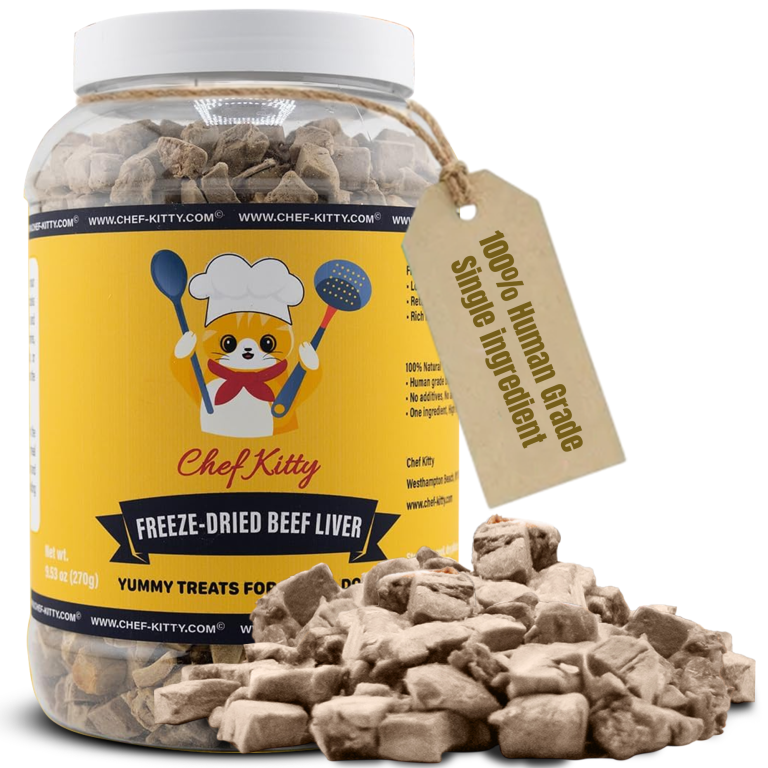
- Chef Kitty
- Process: Ingredients are cooked to 80°C (175°F) before freeze-drying, exceeding USDA guidelines.
- Safety Features: Regular pathogen testing, human-grade poultry from HPAI-free regions.
- Best For: Pet owners prioritizing safety without compromising nutrition.
- Learn More
- The Honest Kitchen
- Process: Uses gently cooked poultry (75°C/167°F) in some recipes.
- Considerations: Avoid their raw-boosted mixes for high-risk pets.
- Visit Site
2. Partially Cooked or Specialty Brands
These brands use moderate heat but may fall short of USDA thresholds:
- Primal Pet Foods
- Process: Offers both raw and “gently cooked” lines. The latter heats ingredients to 74°C (165°F).
- Risk Level: Low for cooked formulas, but avoid raw options.
- Visit Site
- Open Farm
- Process: Sous-vide cooking at 65°C (149°F) for limited recipes.
- Caveat: Below USDA’s HPAI inactivation temperature.
- Visit Site
3. High-Risk Raw Brands
These brands skip cooking, relying solely on freeze-drying or freezing:
- Stella & Chewy’s
- Process: Raw, freeze-dried meats with no prior heat treatment.
- Recall History: None linked to HPAI, but FDA warnings exist.
- Visit Site
- Northwest Naturals
- Process: Raw frozen meats; linked to a 2023 HPAI recall.
- Current Status: Recommends cooking their products to 165°F post-purchase.
- Visit Site
The Science Behind USDA Cooking Guidelines
Heat treatment is the gold standard for pathogen elimination. Here’s why:
- HPAI Inactivation: Studies show the virus is destroyed at 70°C (158°F). Cooking to higher temperatures (e.g., 80°C) ensures a safety buffer, accounting for uneven heat distribution.
- Moisture Matters: Freeze-drying removes 98-99% of moisture, preventing bacterial growth but doing nothing to eliminate existing viruses. Cooking first is non-negotiable.
Case Study: The 2023 Oregon Outbreak
After two cats died from HPAI, the Oregon Department of Agriculture traced the virus to raw chicken in Wild Coast pet food. Genetic sequencing matched the strain in the cats to the food, underscoring the dangers of skipping heat treatment.
How to Read Pet Food Labels Like a Pro
Decoding labels ensures informed choices:
- “Raw” or “Freeze-Dried Raw”: Indicates no cooking; high HPAI risk.
- “Cooked,” “Baked,” or “Heat-Treated”: Look for temperature disclosures (e.g., “cooked to 165°F”).
- Certifications: USDA or AAFCO seals signal compliance with safety standards.
Red Flags:
- Vague terms like “natural” or “wild-caught” without processing details.
- Lack of batch testing information.
Transitioning Pets from Raw to Cooked Diets
Switching diets requires care to avoid digestive upset:
- Gradual Introduction: Mix 25% cooked food with 75% current diet, increasing weekly.
- Monitor Health: Watch for changes in energy, coat quality, or stool consistency.
- Consult Your Vet: Discuss nutritional needs, especially for pets with health conditions.
FAQs: Addressing Common Concerns
Q: Can kibble transmit bird flu?
A: Unlikely. Most kibble is extruded at high temperatures, but check for recalls and ingredient sources.
Q: Are organic treats safer?
A: Not necessarily—organic refers to farming practices, not pathogen control.
Q: What if my pet hunts birds?
A: Discourage this behavior. HPAI can spread via infected wild birds.
Conclusion: Prioritizing Safety in a Complex Landscape
Bird flu is a stark reminder of the interconnectedness of animal and human health. By choosing brands that adhere to USDA cooking guidelines—such as Chef Kitty, The Honest Kitchen, or Primal’s cooked line—pet owners can mitigate risks while providing balanced nutrition. Always verify processing methods, stay informed about recalls, and consult your veterinarian with concerns.
Resources for Ongoing Education:
🐾 Knowledge is power—empower yourself to protect your pets. 🐾