As an Amazon Associate we earn from qualifying purchases. This doesn’t affect which products we recommend.
If your dog is constantly scratching, licking their paws, or developing hot spots and rashes, food allergies or sensitivities could be the culprit. Skin problems are one of the most common signs of food-related allergies in dogs — and the right diet can make a dramatic difference.
We’ve rounded up the best dog food for skin allergies in 2026 — from limited ingredient diets to hydrolyzed protein formulas — so you can find the right solution for your itchy pup.
How food allergies cause skin problems in dogs
Dogs can develop allergic reactions to specific proteins or ingredients in their food. The most common culprits are:
- Beef — the most common food allergen in dogs
- Chicken — a close second
- Dairy
- Wheat and gluten
- Eggs
- Soy
- Lamb (less common but possible)
When a dog’s immune system reacts to one of these ingredients, it triggers inflammation throughout the body — including the skin. This manifests as itching, redness, hair loss, recurring ear infections, paw licking, and hot spots.
The key to resolving food-related skin allergies is identifying and eliminating the offending ingredient — which is done through an elimination diet, also called a food trial.
Limited ingredient vs. hydrolyzed protein — what’s the difference?
Limited Ingredient Diets (LID) contain a minimal number of ingredients — typically one novel protein source (like duck, venison, or salmon) and one carbohydrate source. The theory is that by reducing the number of ingredients, you reduce the chance of including something your dog is allergic to.
Hydrolyzed Protein Diets break proteins down into fragments so small that the immune system doesn’t recognize them as allergens. These are the gold standard for dogs with confirmed severe food allergies and are often recommended by veterinary dermatologists.
For most dogs with suspected food sensitivities, a limited ingredient diet is the right starting point. For dogs with confirmed severe allergies that don’t respond to LID, hydrolyzed protein is the next step.
Our top picks for 2026
1. Royal Canin Hydrolyzed Protein Adult HP — Best Overall for Severe Allergies
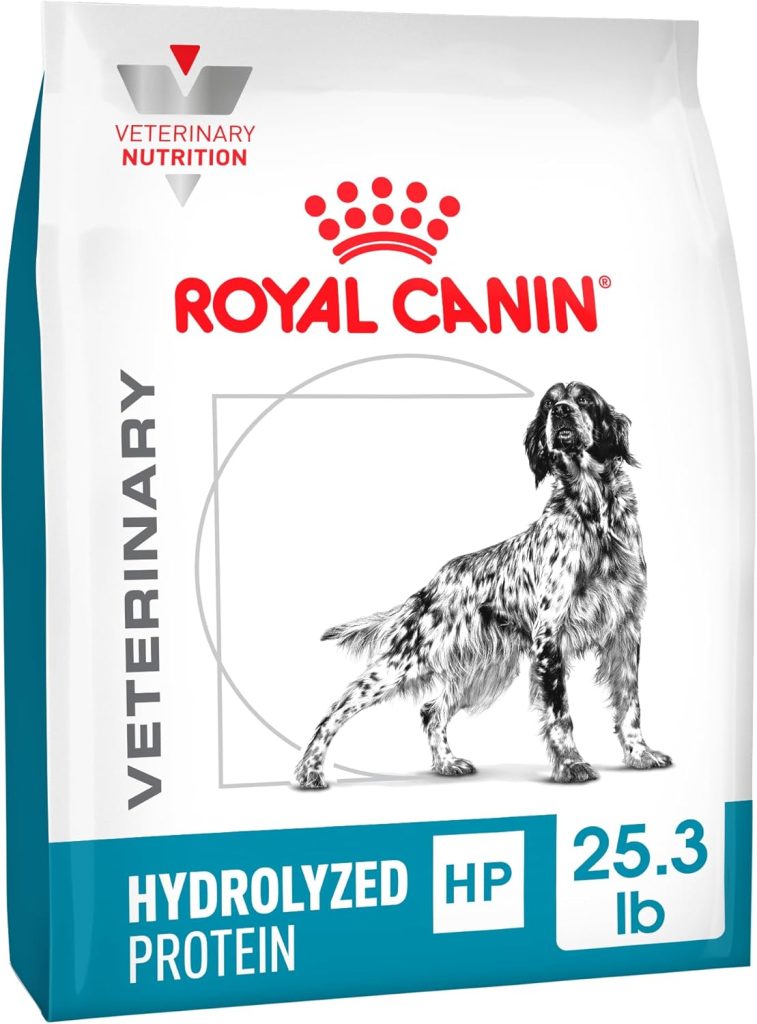
Why we love it: Royal Canin’s Hydrolyzed Protein formula is the most prescribed veterinary diet for dogs with food allergies — and for good reason. The soy protein is hydrolyzed to a molecular weight so low that the immune system doesn’t trigger a reaction, even in highly sensitive dogs. The formula is complete and balanced for long-term feeding.
This is the food to try when a dog hasn’t responded to multiple limited ingredient diets. It’s only available through veterinarians or with a vet authorization, which also means you’re getting a clinically validated formula rather than a marketing claim.
- Protein source: Hydrolyzed soy protein
- Best for: Severe confirmed food allergies, dogs that have failed LID trials
- Available at: Shop Royal Canin HP on Amazon
2. Hill’s Science Diet Sensitive Stomach & Skin — Best for Mild Sensitivities
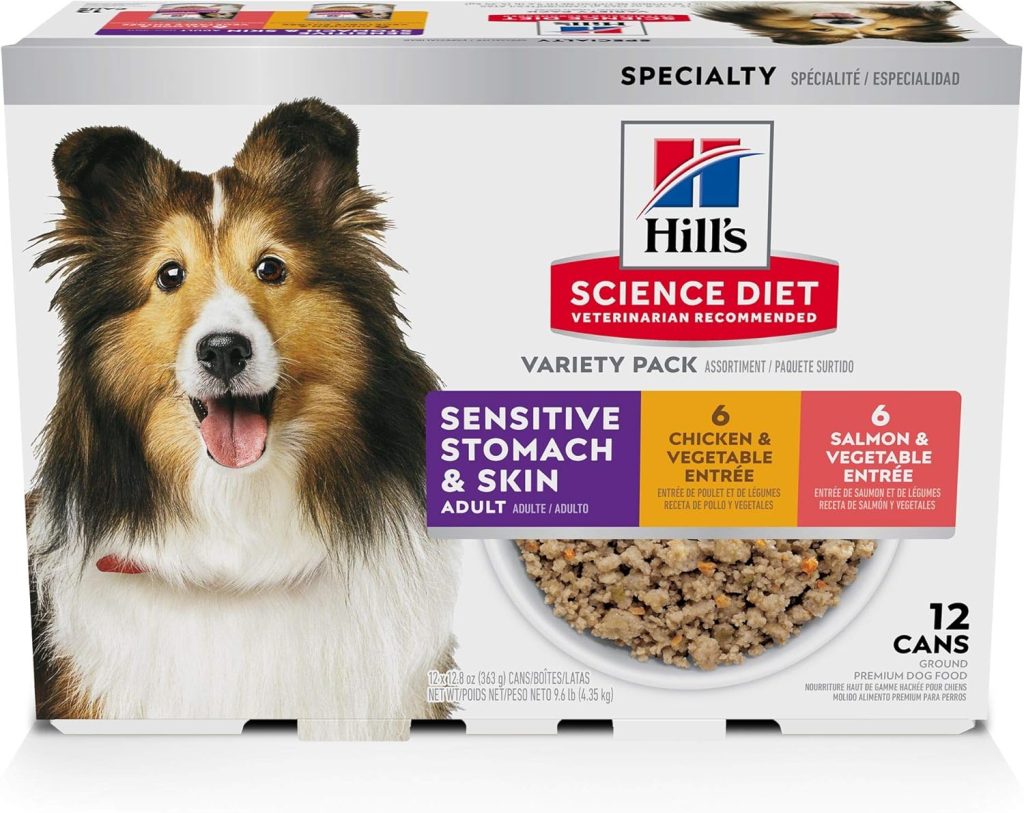
Why we love it: For dogs with mild food sensitivities rather than confirmed allergies, Hill’s Science Diet Sensitive Stomach & Skin is an excellent starting point. The highly digestible formula uses salmon as the primary protein — a novel protein for many dogs — and is enriched with Vitamin E and Omega-6 fatty acids to support skin and coat health from the outside in.
Hill’s is one of the most research-backed pet food brands available and this formula has a strong track record for dogs with general digestive and skin sensitivity.
- Protein source: Salmon
- Key nutrients: Omega-6, Vitamin E
- Best for: Mild sensitivities, general skin and coat support
- Available at: Shop Hill’s Sensitive Skin on Amazon
3. Purina Pro Plan Veterinary Diets HA — Best Hydrolyzed Budget Option
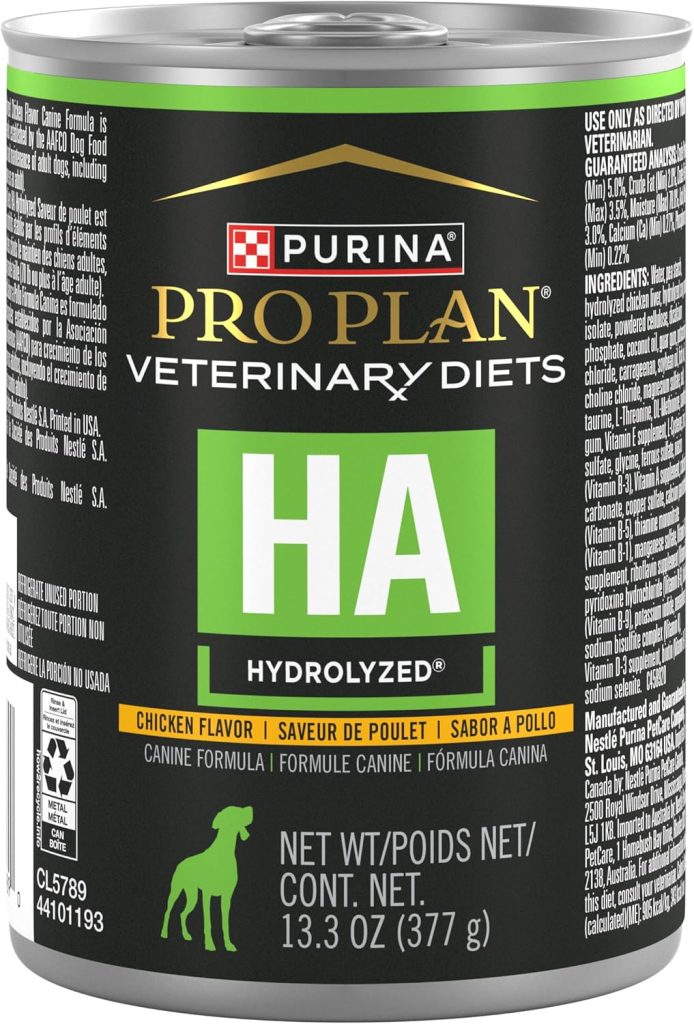
Why we love it: Purina’s HA (Hydrolyzed) formula offers the benefits of hydrolyzed protein at a slightly more accessible price point than Royal Canin. The hydrolyzed soy protein and purified carbohydrate sources make this a solid option for dogs that need hydrolyzed protein but whose owners are working within a tighter budget.
Available in both dry and canned formulas, giving you flexibility for picky eaters.
- Protein source: Hydrolyzed soy protein
- Best for: Dogs needing hydrolyzed protein, budget-conscious owners
- Available at: Shop Purina HA on Amazon
4. Natural Balance Limited Ingredient — Best LID for Novel Protein
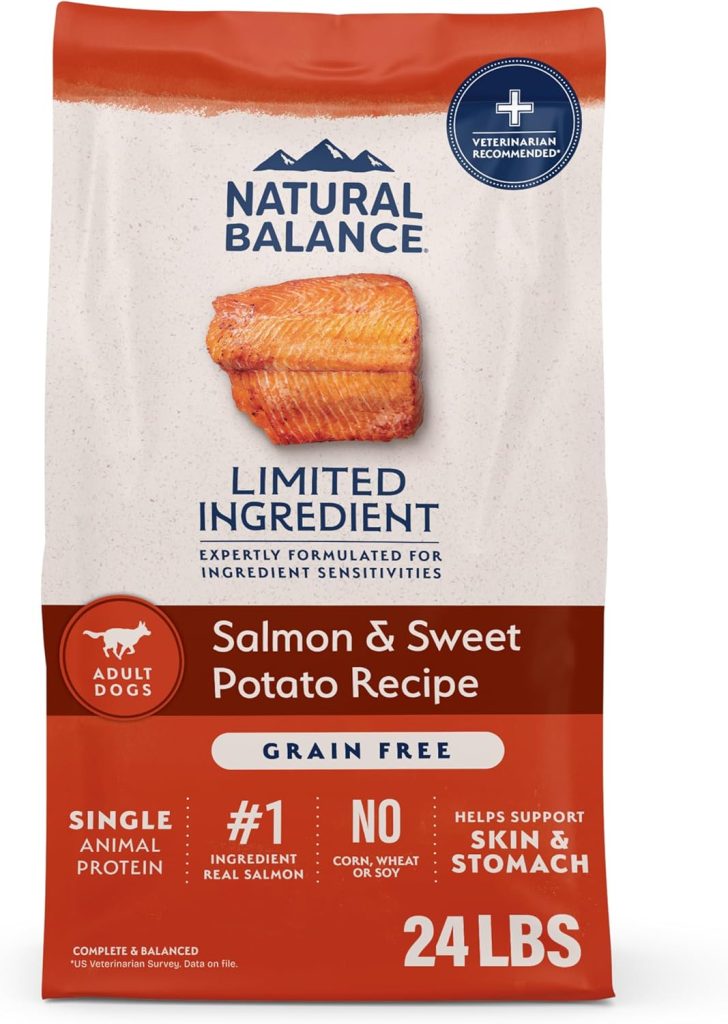
Why we love it: Natural Balance’s Limited Ingredient Diet line is one of the most trusted in the LID category. Available in a wide range of novel proteins — duck, salmon, bison, venison, and more — you can easily find a protein your dog hasn’t eaten before, which is the foundation of an effective elimination diet.
The short ingredient list means fewer potential allergens, and the formulas are complete and balanced for long-term feeding. A great starting point for dogs suspected of having food allergies before committing to a prescription hydrolyzed diet.
- Protein options: Duck, salmon, bison, venison, and more
- Best for: Elimination diet trials, novel protein feeding
- Available at: Shop Natural Balance LID on Amazon
5. Zignature Limited Ingredient Dog Food — Best Grain-Free LID
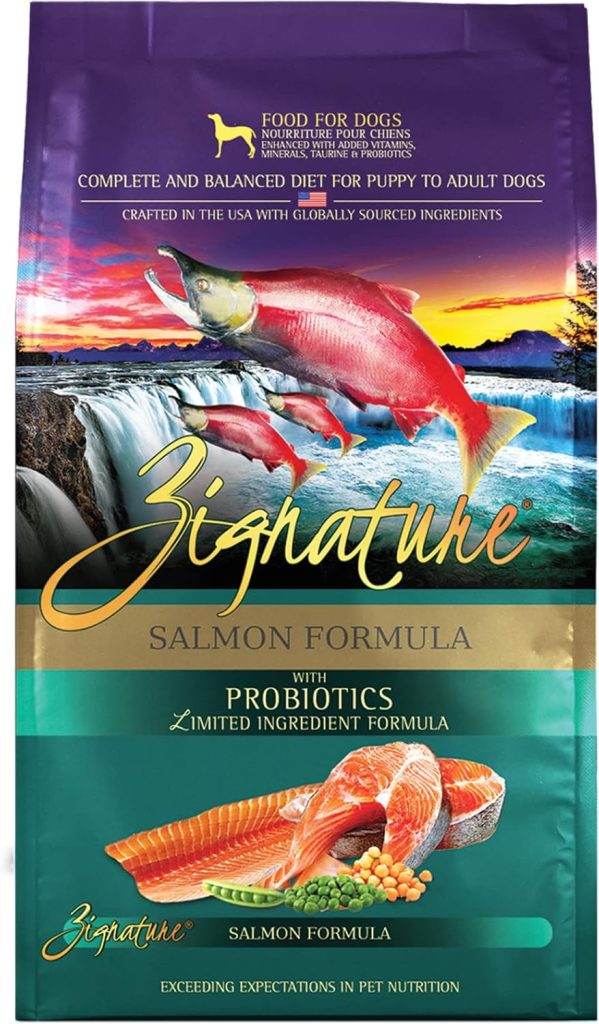
Why we love it: Zignature specializes in limited ingredient, grain-free formulas with a wide variety of novel proteins including kangaroo, trout, goat, and pork. For dogs that are sensitive to both common proteins AND grains, Zignature offers some of the most restricted ingredient lists available in a commercial dog food.
The high protein content and clean ingredient panels make this a popular choice among owners managing complex food sensitivities.
- Protein options: Kangaroo, trout, goat, pork, and more
- Best for: Dogs with grain and protein sensitivities, grain-free diets
- Available at: Shop Zignature on Amazon
How to do a proper elimination diet
An elimination diet (food trial) is the only reliable way to identify a food allergy in dogs. Here’s how it works:
Step 1 — Choose a novel protein and carbohydrate. Select a protein your dog has never eaten before (kangaroo, venison, rabbit, or duck are common choices) paired with a carbohydrate source they haven’t had. The goal is zero exposure to previous ingredients.
Step 2 — Feed only the elimination diet for 8-12 weeks. This is the most important and most commonly failed step. No treats, no table scraps, no flavored medications, no chews. Even a small exposure to the allergen can reset the clock. Use plain pieces of the novel protein as treats during this period.
Step 3 — Watch for improvement. Skin symptoms typically begin improving within 4-6 weeks if food is the cause. Full resolution may take the entire 12 weeks.
Step 4 — Reintroduce old ingredients one at a time. Once symptoms resolve, reintroduce one ingredient at a time (one per week) and watch for reactions. This identifies the specific allergen.
Step 5 — Feed the diet long-term. Once you’ve identified the offending ingredient, feed a diet that permanently excludes it.
Other causes of skin problems in dogs
Food allergies account for only about 10-15% of allergic skin disease in dogs. Environmental allergies (atopy) — reactions to pollen, dust mites, mold, and grass — are actually more common. If your dog’s symptoms are seasonal or don’t improve after a proper 12-week food trial, environmental allergies may be the cause.
Other skin issues to rule out include:
- Flea allergy dermatitis — even one flea bite can trigger a severe reaction in sensitive dogs
- Contact allergies — reactions to cleaning products, fabrics, or grass
- Yeast or bacterial infections — often secondary to allergies but sometimes primary
- Mange — caused by mites, requires veterinary diagnosis and treatment
Always work with your veterinarian when managing skin allergies — a proper diagnosis saves time and prevents unnecessary dietary changes.
Supplements that support skin health in allergic dogs
While diet is the foundation, certain supplements can help manage skin symptoms:
Omega-3 fatty acids (fish oil): The most evidence-backed supplement for canine skin health. Reduces inflammation and supports the skin barrier. Nordic Naturals Omega-3 Pet and Zesty Paws Omega Bites are popular options.
Probiotics: Emerging research suggests gut microbiome health influences allergic disease. Purina Pro Plan FortiFlora is one of the most studied canine probiotics.
Quercetin: A natural flavonoid with antihistamine and anti-inflammatory properties, sometimes called “nature’s Benadryl.” Works best as part of a comprehensive allergy management plan.
Final thoughts
For dogs with confirmed severe food allergies, Royal Canin Hydrolyzed Protein HP is the gold standard — work with your vet to get access. For dogs in the early stages of an elimination diet trial, Natural Balance Limited Ingredient gives you the widest novel protein selection. And for dogs with mild sensitivities rather than true allergies, Hill’s Science Diet Sensitive Stomach & Skin is a well-researched, accessible option.
Always work with your veterinarian when managing food allergies — a proper diagnosis and supervised food trial gives you the best chance of identifying the root cause and finding a lasting solution.
This post contains Amazon affiliate links. When you purchase through our links, we may earn a small commission at no extra cost to you. We only recommend products we genuinely believe in. This post is for informational purposes only and is not a substitute for veterinary advice.
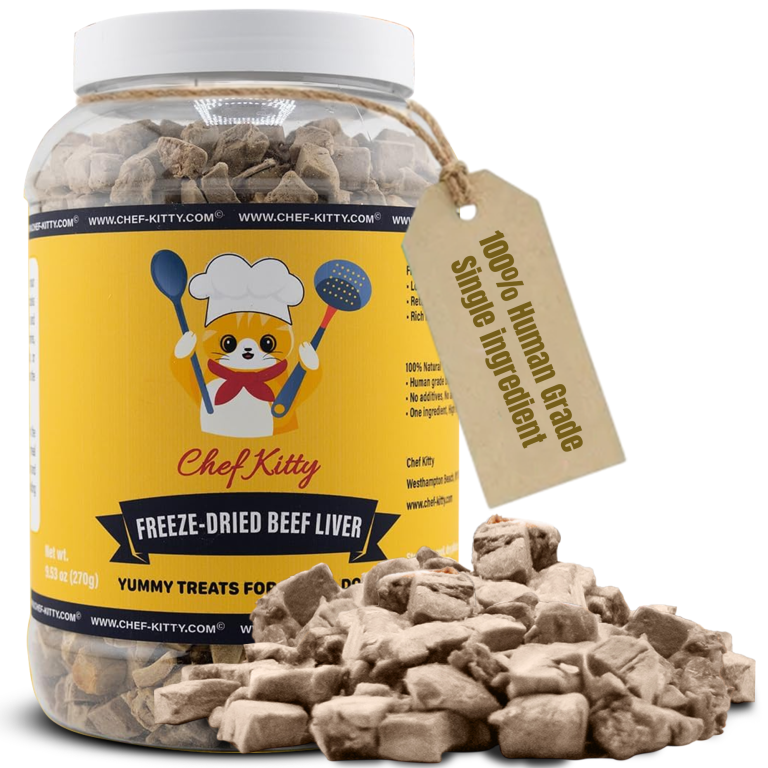
Published by Fit Paws Club — your trusted source for quality pet supplies. Fit Paws Club is the sister brand of Chef Kitty, makers of premium freeze-dried cat and dog treats.