Guinea pigs are social, active animals that need far more space than most pet store cages provide. The number one mistake new guinea pig owners make is buying a cage that’s too small. A cramped guinea pig is a stressed, unhealthy guinea pig — and stress in guinea pigs leads to a cascade of health problems.
The good news: great guinea pig housing doesn’t have to be expensive. We’ve rounded up the best guinea pig cages in 2026 across size, value, and setup style so your cavies can live their best life.
How much space do guinea pigs actually need?
The minimum cage size recommended by guinea pig welfare organizations:
- 1 guinea pig: 7.5 square feet minimum (though guinea pigs should ideally be kept in pairs)
- 2 guinea pigs: 10.5 square feet minimum
- 3 guinea pigs: 13 square feet minimum
To put that in perspective: most cages sold in pet stores fall well below these minimums. A cage labeled “large” at a pet store is often only 4-6 square feet — barely enough for one guinea pig, let alone two.
Guinea pigs also need:
- Solid flooring — wire floors hurt their feet and can cause a painful condition called bumblefoot
- Low sides with easy access for cleaning
- Adequate ventilation — fully enclosed plastic tanks are not suitable
- Hiding spots in every cage — guinea pigs need somewhere to feel safe
Our top picks for 2026
1. MidWest Guinea Habitat Plus — Best Overall
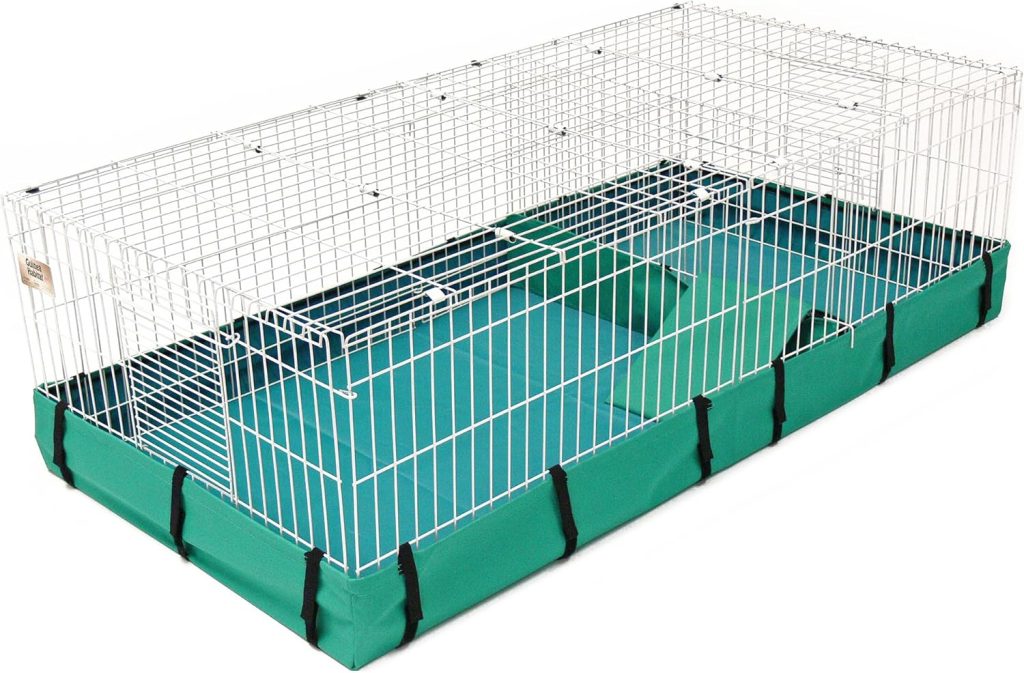
Why we love it: The MidWest Guinea Habitat is the most recommended guinea pig cage in the cavy community — and has been for years. The 47.5″ x 24″ footprint gives you 7.9 square feet of floor space, meeting minimum requirements for one guinea pig and coming close for two. The canvas bottom pan is leak-proof and easy to clean, the wire sides fold flat for storage or travel, and the top opens fully for easy access.
The included divider panel lets you separate the space if needed, and the whole cage sets up in minutes without tools. The Plus version includes a waterproof canvas bottom cover for added protection.
- Floor space: 7.9 sq ft
- Dimensions: 47.5″ x 24″ x 14″
- Best for: 1-2 guinea pigs, beginners, easy setup
- Available at: Shop MidWest Guinea Habitat on Amazon
2. Kavee 4×2 C&C Cage — Best for Two Guinea Pigs
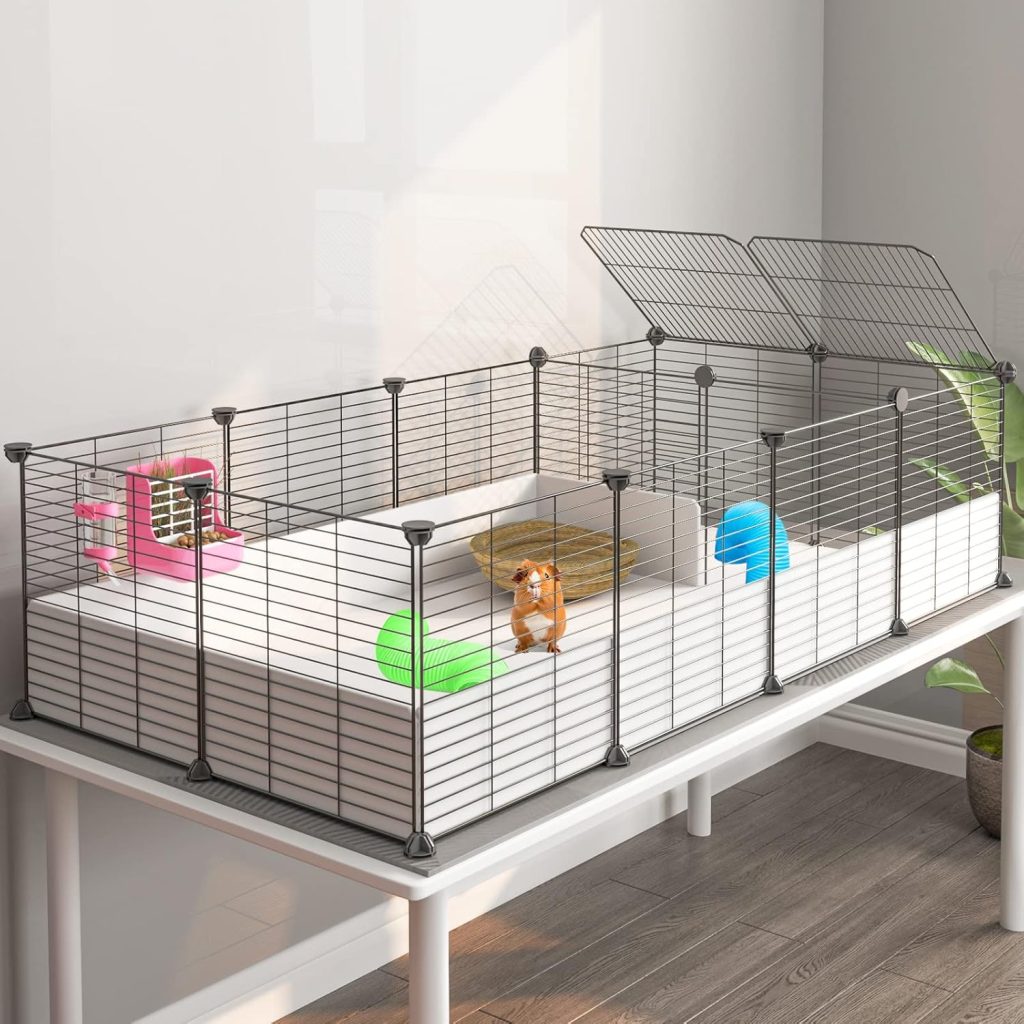
Why we love it: C&C cages (Cube and Coroplast) are the preferred housing choice of serious guinea pig owners worldwide. They’re modular, highly customizable, and can be sized exactly to your needs. Kavee makes some of the best ready-to-assemble C&C cages available — their 4×2 grid cage gives you 10.5 square feet of floor space, perfectly meeting the minimum for two guinea pigs.
The included coroplast base is leak-proof and easy to wipe clean. The modular grid panels can be rearranged or expanded as your needs change. Kavee also makes lids, ramps, and lofts that integrate with the same grid system.
- Floor space: 10.5 sq ft
- Dimensions: 56″ x 28″
- Best for: 2 guinea pigs, expandable setups, serious owners
- Available at: Shop Kavee C&C Cage on Amazon
3. Living World Deluxe Habitat — Best Budget Pick
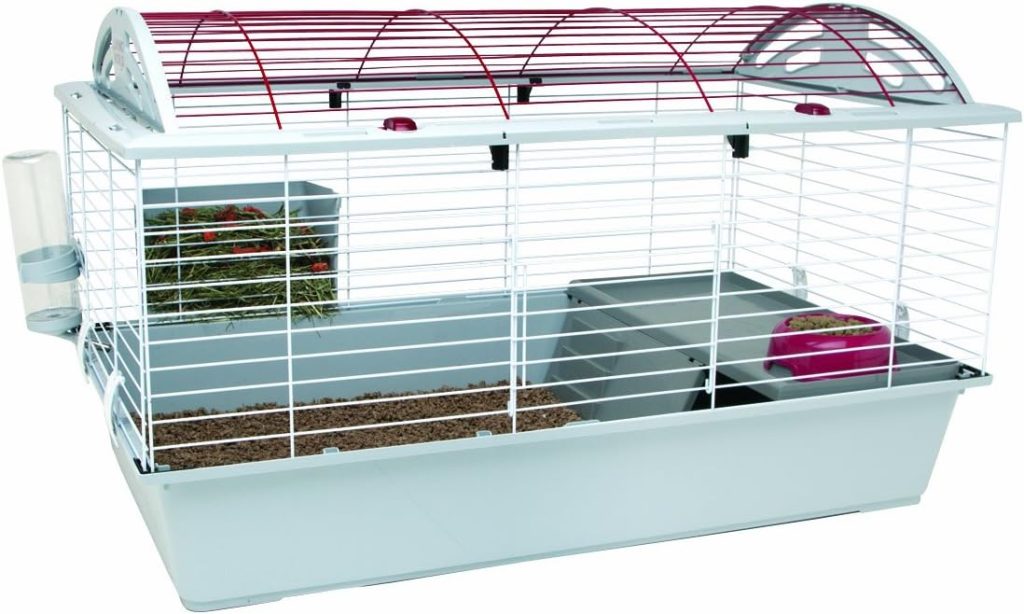
Why we love it: The Living World Deluxe Habitat is the best budget option that still meets basic welfare standards. The upper wire frame provides excellent ventilation while the deep plastic base contains bedding effectively. The large front door and top opening make cleaning and handling straightforward.
At 7.5 square feet, it just meets minimum requirements for one guinea pig. Solid choice if budget is a primary concern, but consider upgrading to a larger option if you plan to keep two guinea pigs.
- Floor space: 7.5 sq ft
- Best for: Single guinea pig, budget shoppers
- Available at: Shop Living World Deluxe on Amazon
4. Kavee 6×2 C&C Cage — Best for Three or More Guinea Pigs
Why we love it: If you have three or more guinea pigs — or plan to expand your herd — the Kavee 6×2 gives you a generous 15.75 square feet of floor space, comfortably exceeding minimum requirements for three cavies. The same modular Kavee grid system means this cage can be expanded further with additional panels.
Guinea pigs are highly social animals and do best in groups of two or more. Investing in a larger cage from the start is almost always worth it.
- Floor space: 15.75 sq ft
- Dimensions: 84″ x 28″
- Best for: 3+ guinea pigs, large herds
- Available at: Shop Kavee 6×2 on Amazon
5. Ferplast Cavie 80 — Best Compact Option
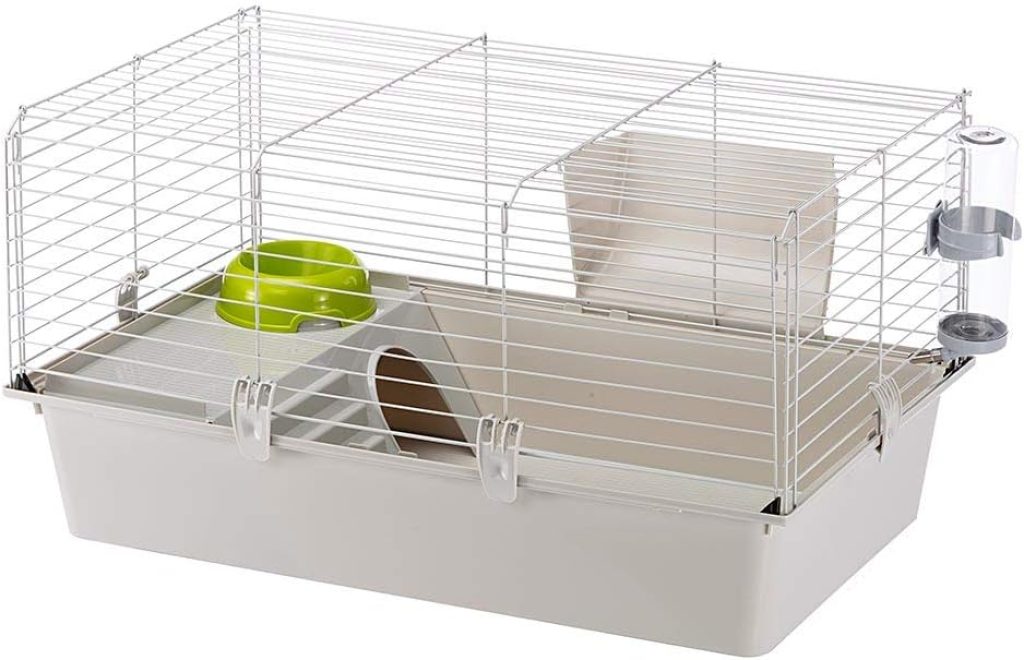
Why we love it: For guinea pig owners with limited space, the Ferplast Cavie 80 is a well-designed compact option. The deep plastic base keeps bedding contained, the wire top provides good ventilation, and the front door access makes daily interaction easy. Not ideal for two guinea pigs long-term, but a decent starter cage for a single cavy in a small apartment.
- Floor space: 6.4 sq ft
- Best for: Single guinea pig, small spaces, temporary housing
- Available at: Shop Ferplast Cavie 80 on Amazon
What to put inside a guinea pig cage
Bedding: Fleece liners are the most popular choice among experienced guinea pig owners — they’re soft, washable, reusable, and gentle on feet. Paper bedding (like Carefresh or Oxbow) is a good disposable alternative. Never use cedar or pine shavings — the aromatic oils are harmful to guinea pigs’ respiratory systems.
Hiding spots: Every guinea pig needs at least one hide. Provide one per guinea pig plus one extra to prevent competition. Wooden houses, fabric cuddle cups, and tunnels all work well.
Water bottle or bowl: A drip-free water bottle attached to the cage side is convenient, but many guinea pigs prefer drinking from a heavy ceramic bowl. Provide whichever your guinea pigs prefer — just make sure fresh water is always available.
Hay rack: Guinea pigs should have unlimited access to fresh timothy hay at all times — it makes up 80% of their diet and is essential for their digestive health and tooth wear. A hay rack keeps it contained and clean.
Food bowl: A heavy ceramic bowl prevents tipping. Feed fresh leafy greens and a small amount of pellets daily in addition to unlimited hay.
Toys and enrichment: Tunnels, foraging toys, and cardboard to chew keep guinea pigs mentally stimulated. They also enjoy rearranging their environment — a foraging tray with hay and hidden treats keeps them busy for hours.
Should guinea pigs be kept alone or in pairs?
Guinea pigs are highly social animals — in the wild they live in herds. A solitary guinea pig is almost always a lonely guinea pig, regardless of how much human interaction they receive. Most guinea pig welfare organizations strongly recommend keeping guinea pigs in same-sex pairs or small groups.
If you’re getting your first guinea pig, seriously consider getting two. The cage size difference is manageable and the welfare benefit is enormous.
How often should you clean a guinea pig cage?
Daily: Spot clean soiled bedding, remove uneaten fresh food, and refresh hay.
Weekly: Full bedding change — remove all bedding, wipe down surfaces with a pet-safe cleaner, and replace with fresh bedding.
Monthly: Deep clean — wash the base, all accessories, and hiding spots thoroughly.
Fleece liners need washing every 3-4 days depending on herd size.
Final thoughts
For most guinea pig owners with one or two cavies, the MidWest Guinea Habitat Plus is the easiest starting point — it’s well-sized, simple to set up, and reasonably priced. For those committed to giving their guinea pigs the best possible life, the Kavee 4×2 C&C cage is the better long-term investment. And if you’re building a herd of three or more, go straight to the Kavee 6×2 — your guinea pigs will use every inch of it.
Remember: guinea pigs are long-lived animals (5-7 years) who will spend most of their lives in their cage. It’s worth getting right from the start.
This post contains Amazon affiliate links. When you purchase through our links, we may earn a small commission at no extra cost to you. We only recommend products we genuinely believe in.
Published by Fit Paws Club — your trusted source for quality pet supplies. Fit Paws Club is the sister brand of Chef Kitty, makers of premium freeze-dried cat and dog treats.